





























Python Programming
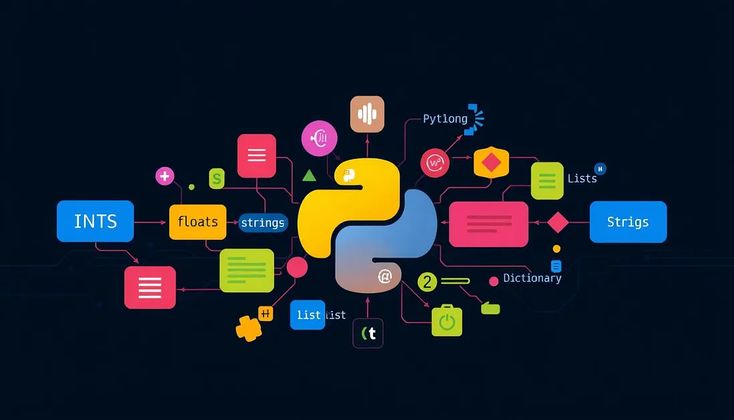
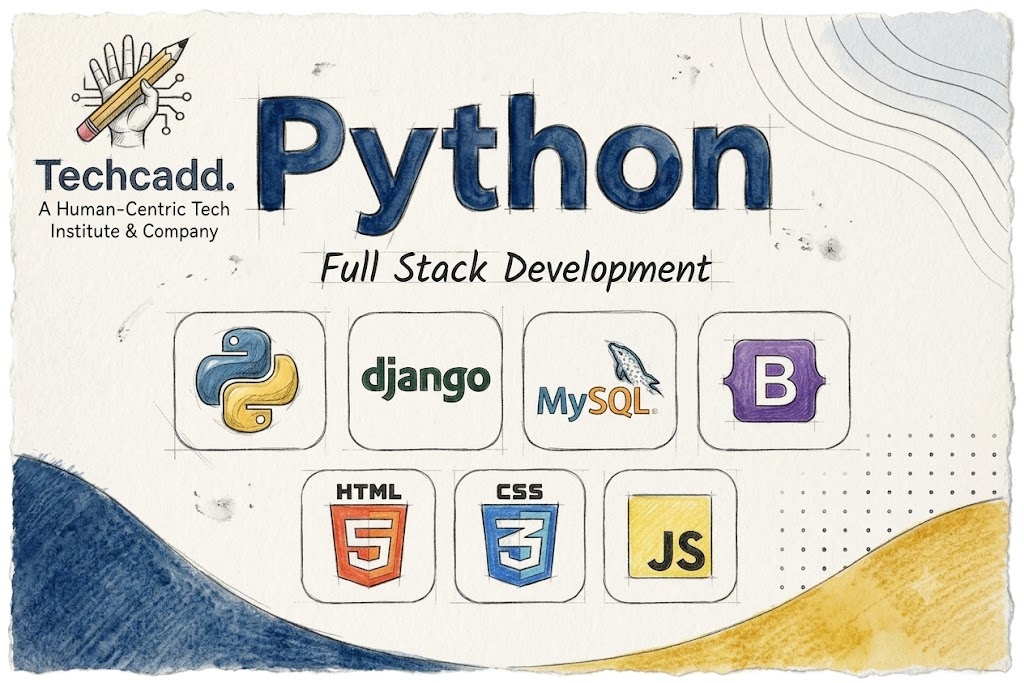
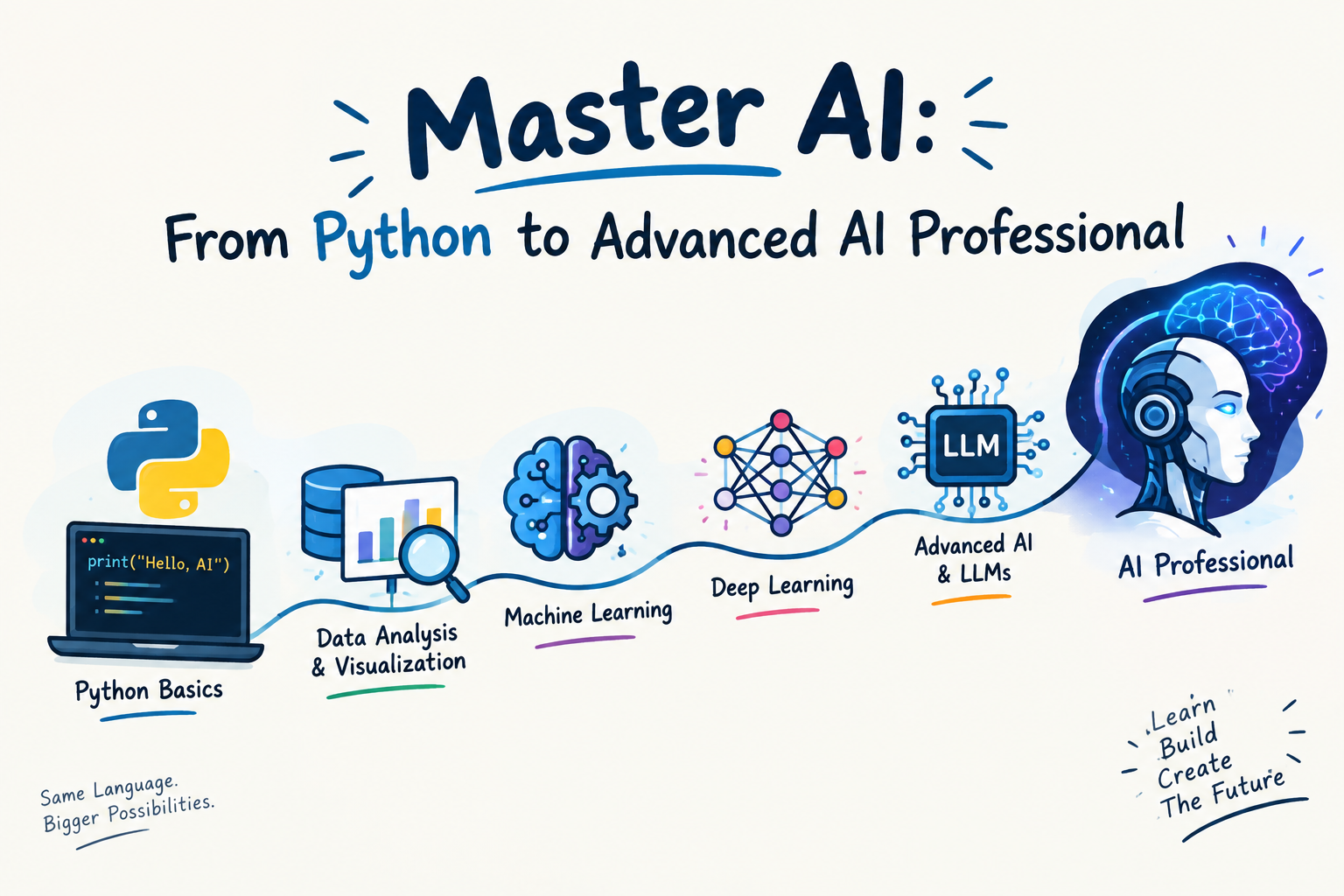
Learn core Python, databases, Django and the data stack through hands-on projects and industry-oriented training at techcadd Ludhiana.
- 6 modules
- 5 projects
All courses
Programming, AI and data, digital marketing, cyber and cloud, design and drafting, and the training formats universities ask for. Filter by category or search for the skill you are after.
The catalogue
Learn core Python, databases, Django and the data stack through hands-on projects and industry-oriented training at techcadd Ludhiana.
Core Java, OOP, collections, JDBC and Spring Boot — the stack that still runs banking, insurance and enterprise systems across India.
Memory, pointers, data structures and object-oriented C++ — the foundation every other language sits on and the syllabus your university exams are built from.
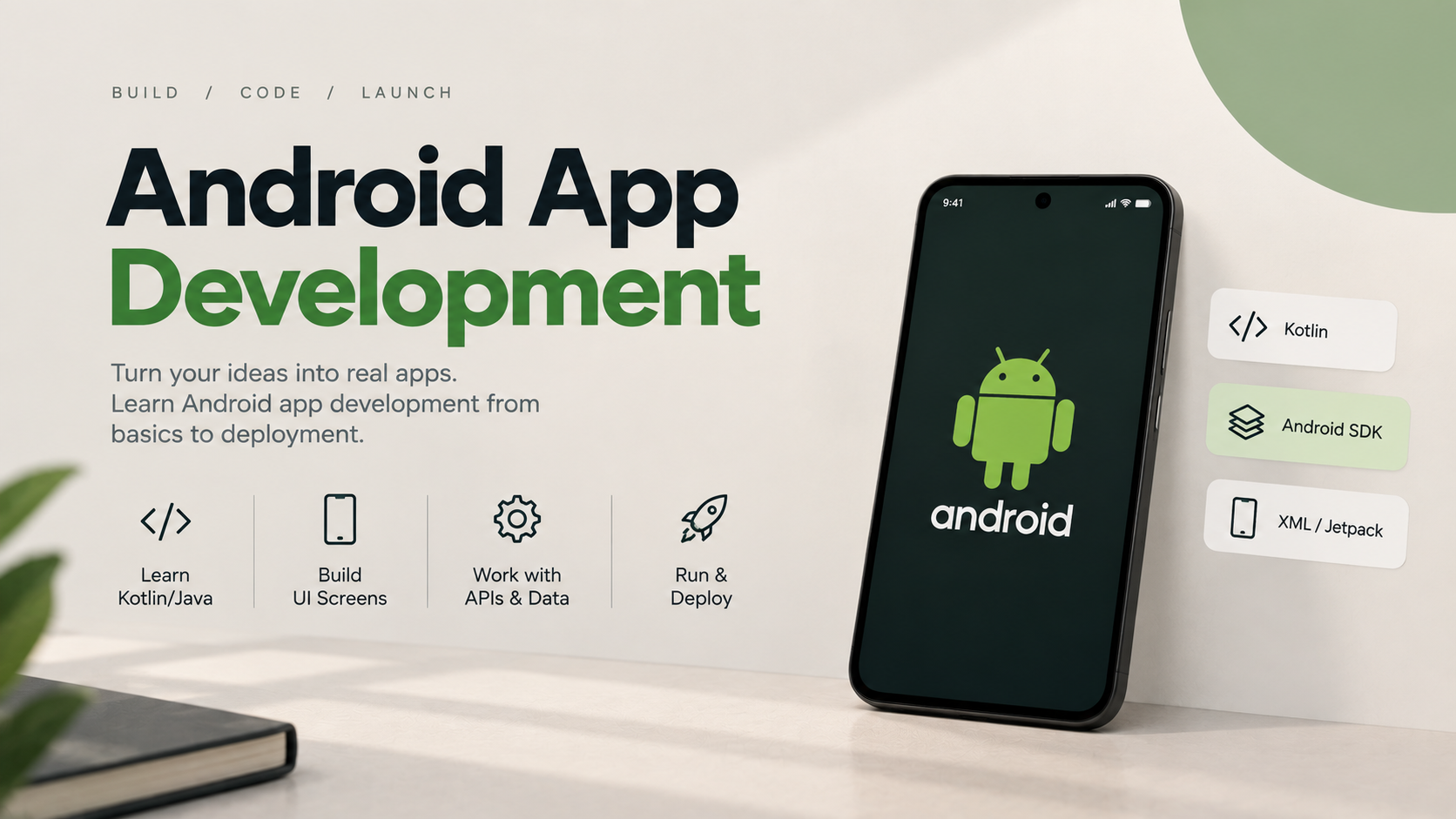
The official language of Android — coroutines, Jetpack Compose, Room and a published app on the Play Store by the end of the course.
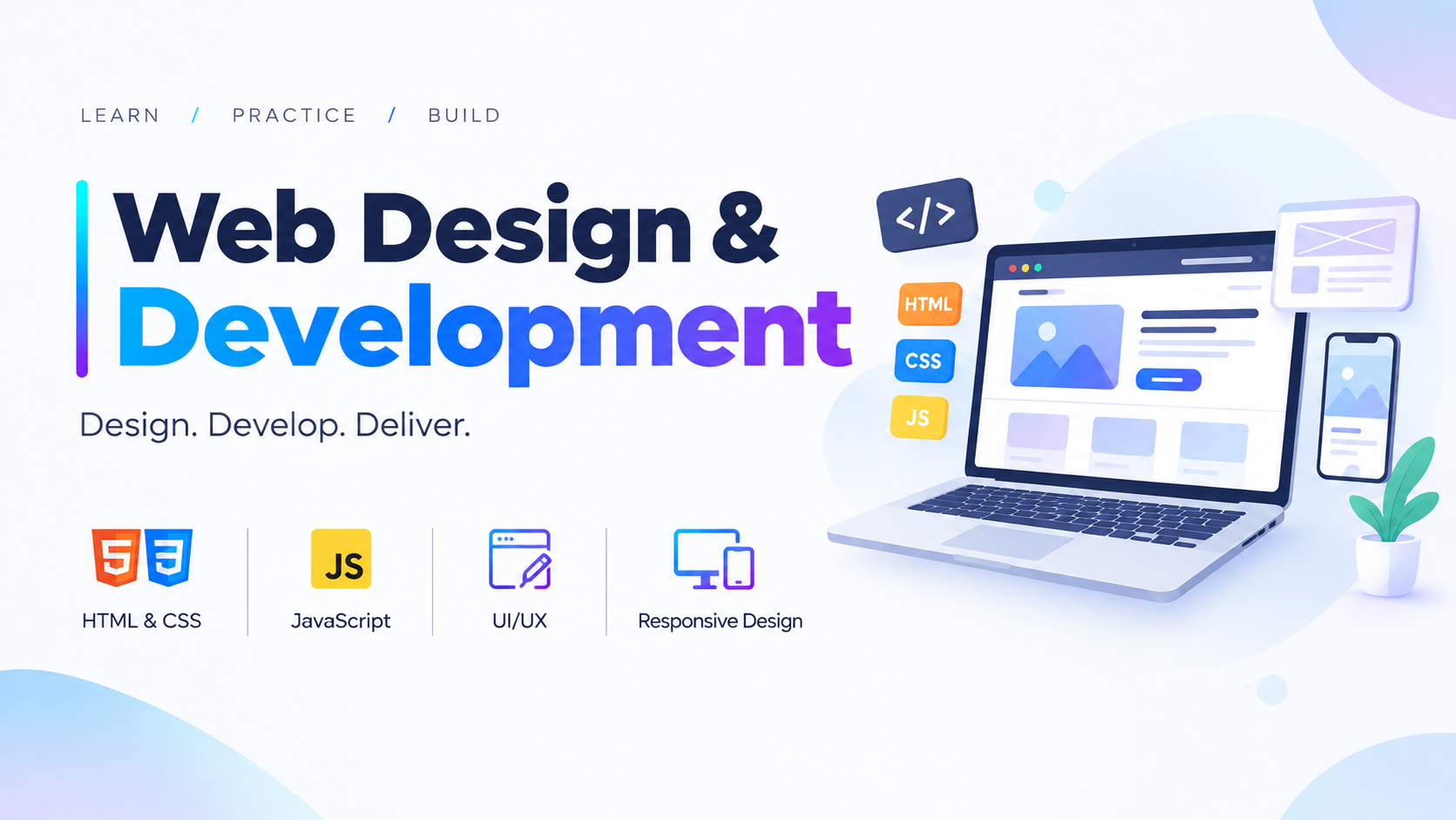
HTML, CSS, responsive layout, Figma and the design judgement to make a page look considered rather than assembled.
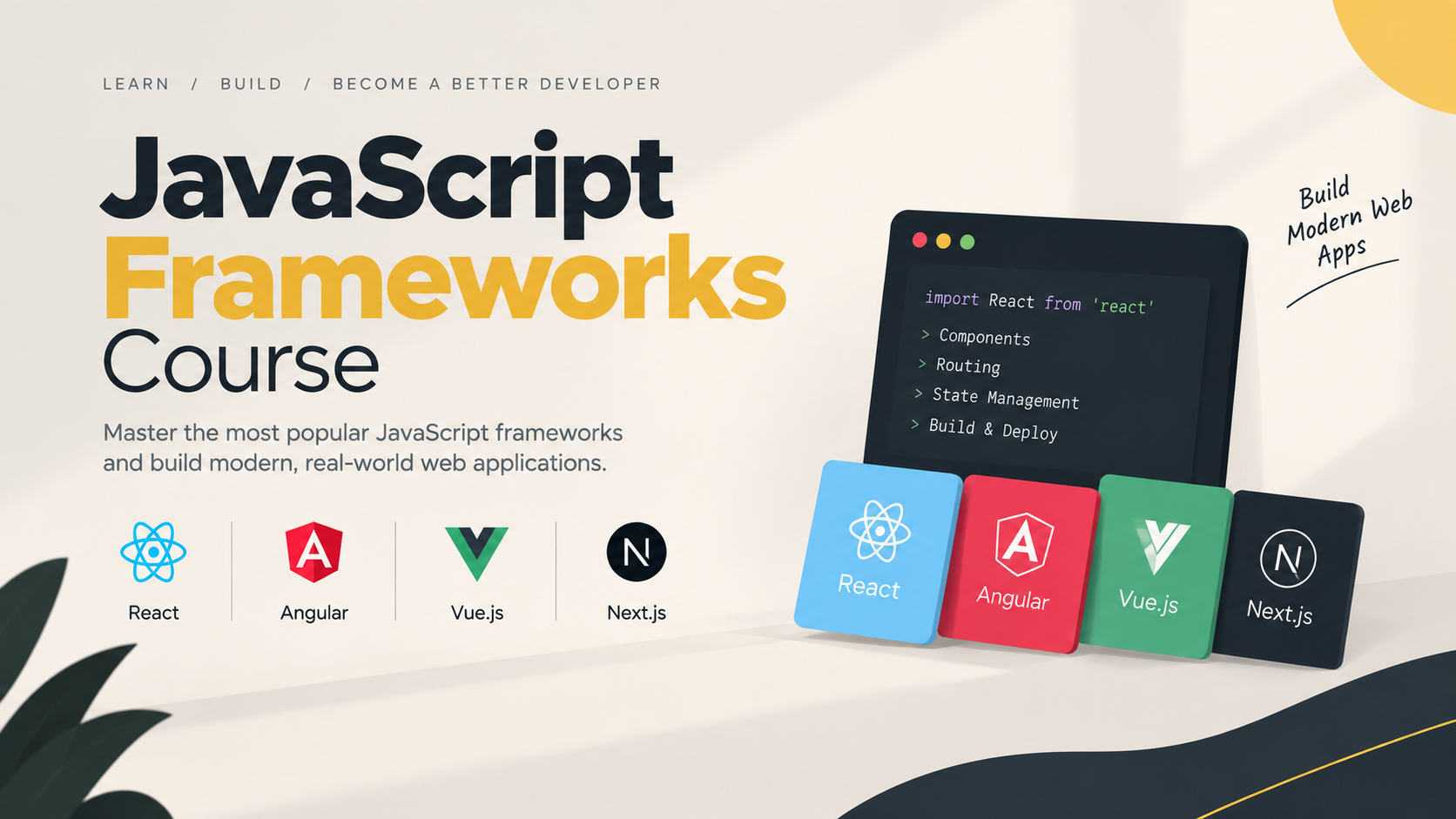
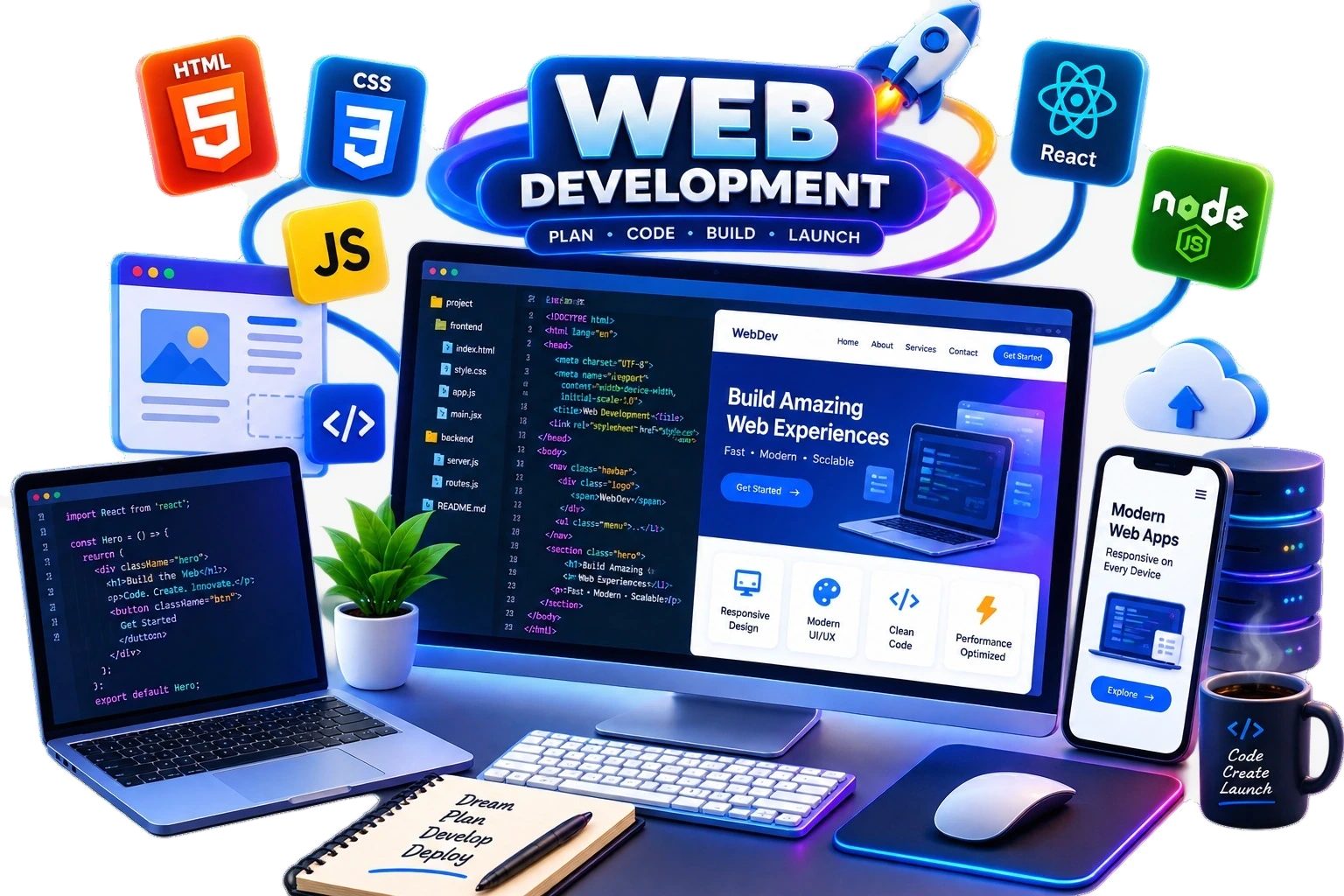
HTML, CSS, JavaScript, React, Node and databases — everything between an empty folder and an application running on a live domain.
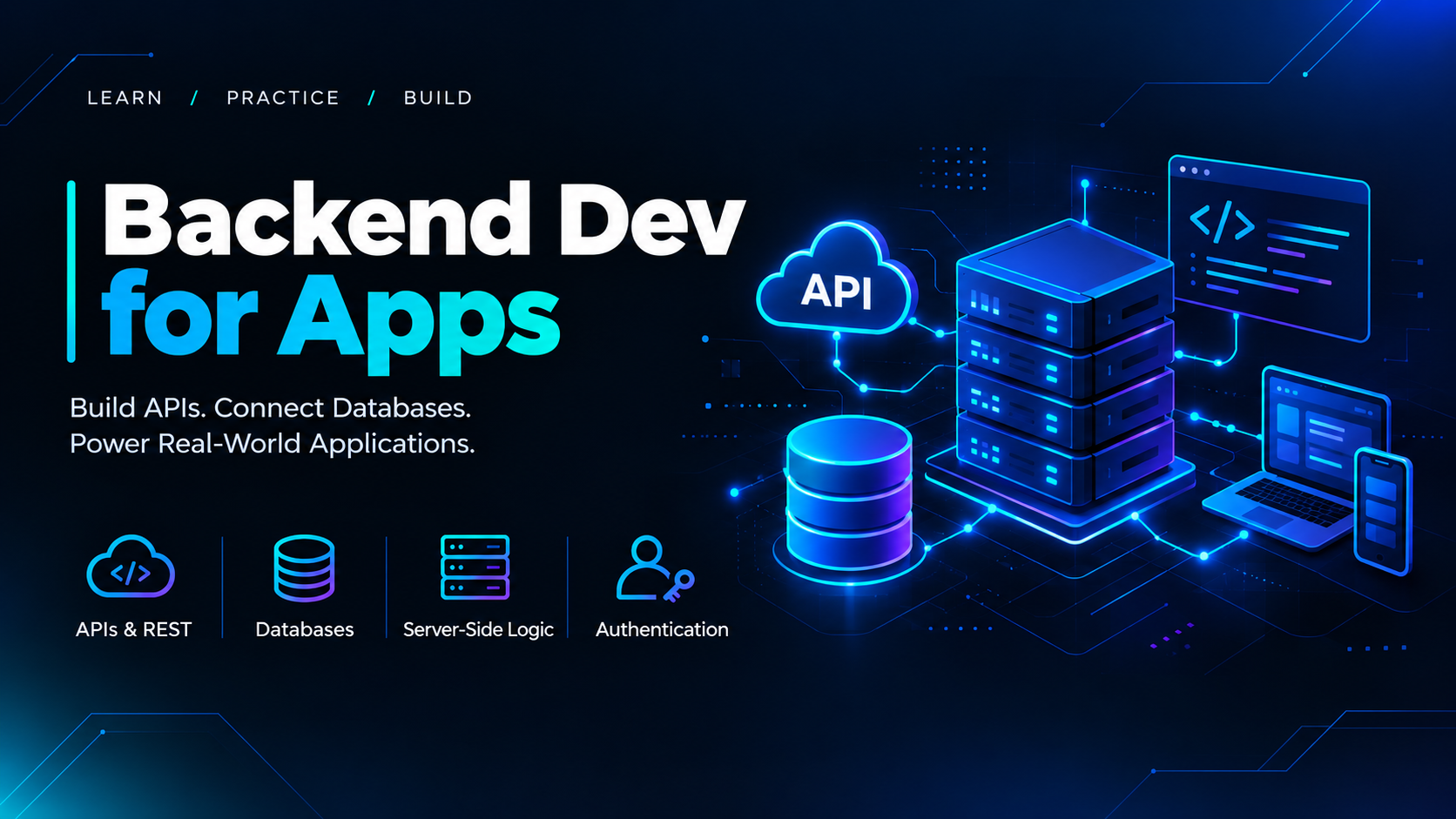
JavaScript from the database driver to the browser — the stack most Indian product startups hire for, taught the way they actually build.
TypeScript-first full stack development with Angular, RxJS and a Node API — the structure enterprise teams pick when a codebase has to last.
Core PHP, MySQL and Laravel — the stack behind most of the web, and the one small businesses and agencies hire for most often.
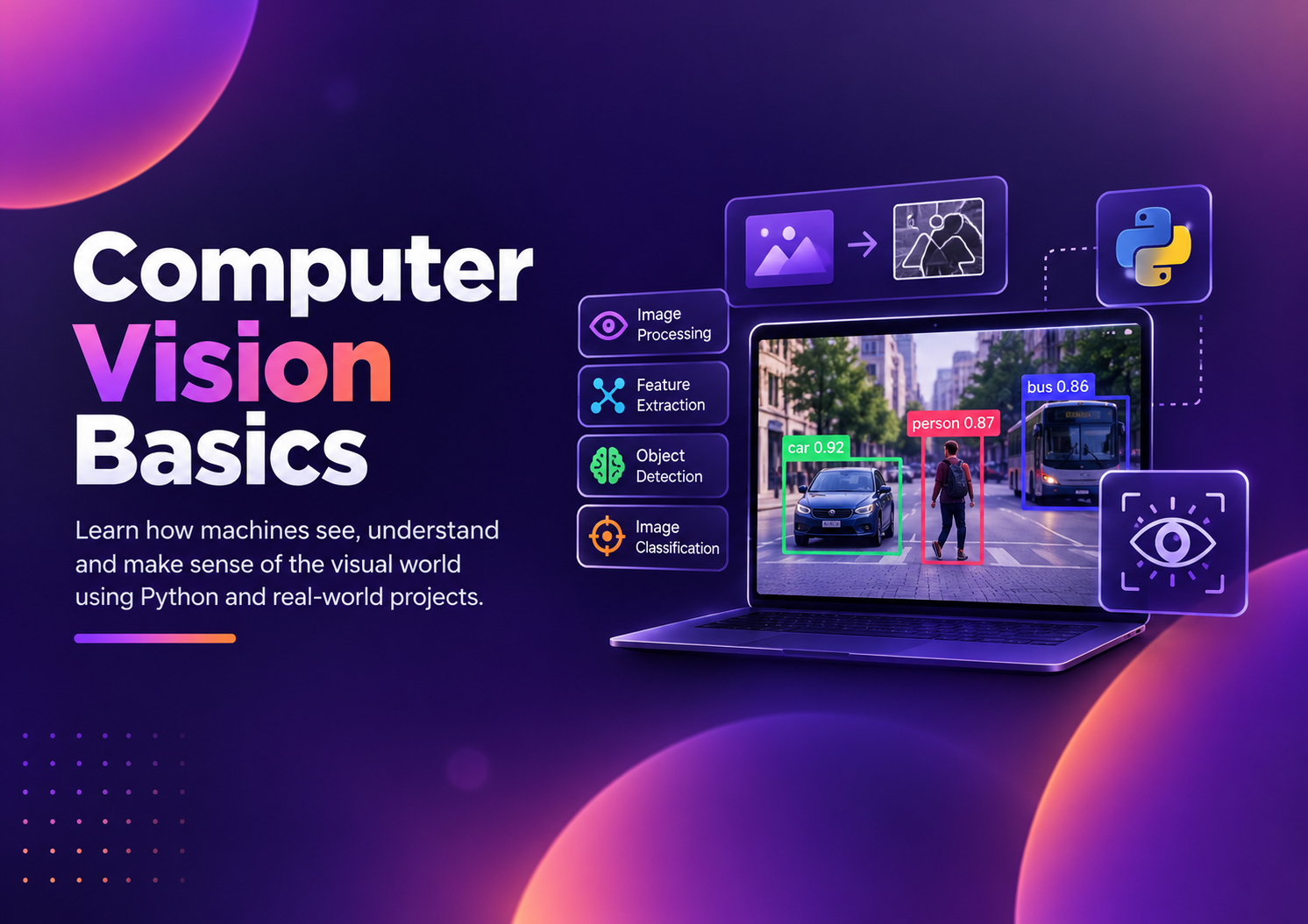
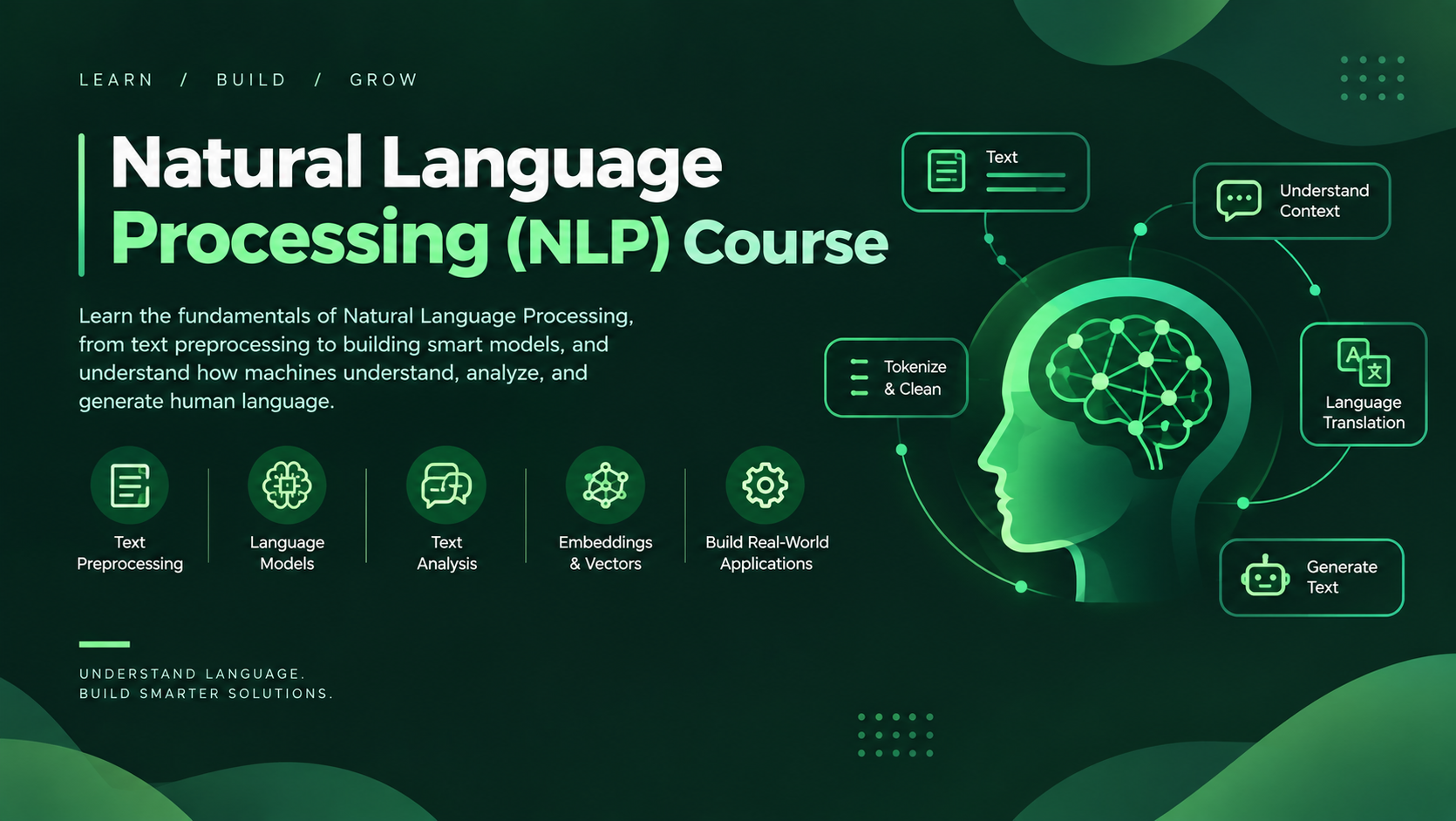
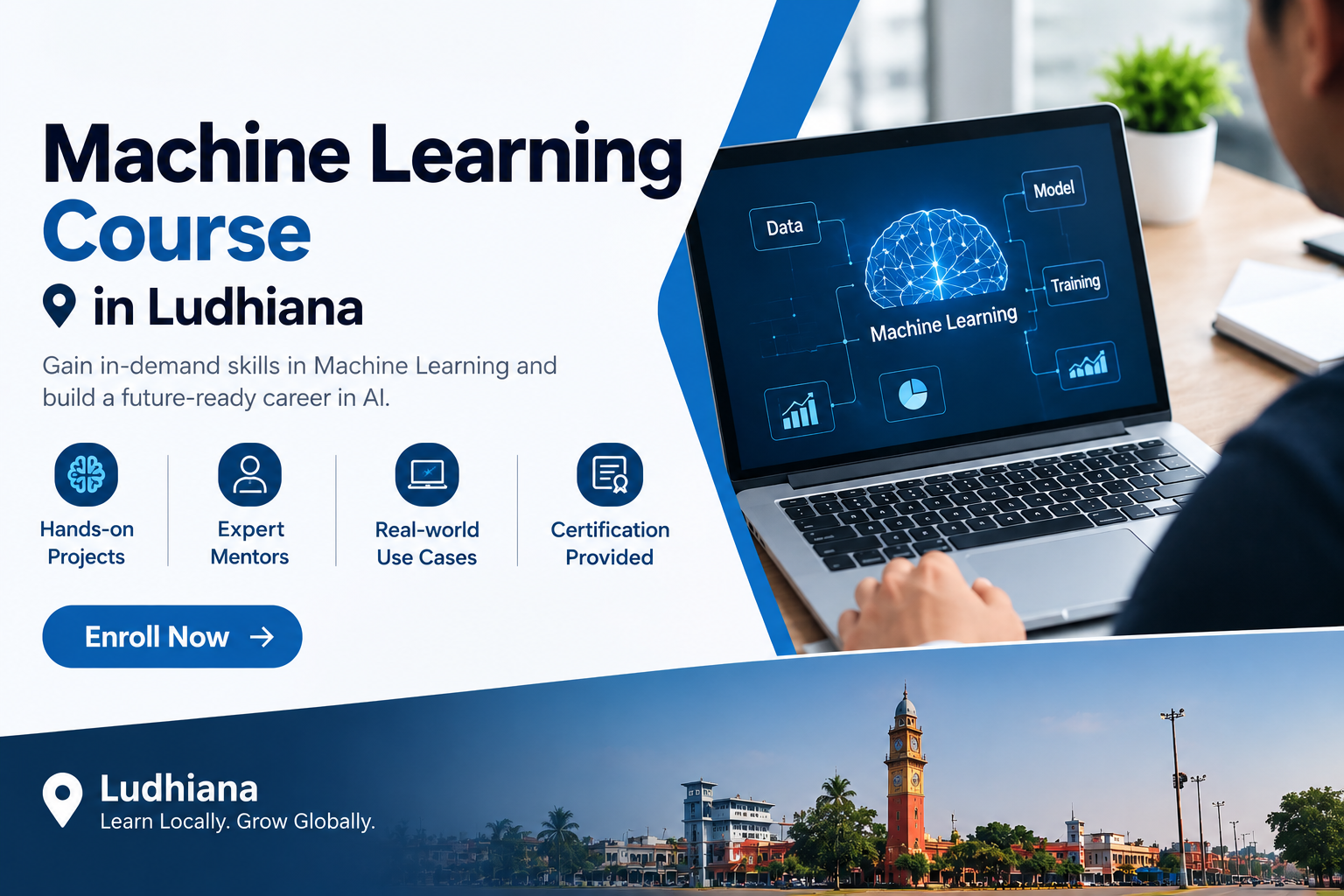
Python, machine learning, neural networks, computer vision, NLP and deployment — a complete route into AI engineering, not a tour of buzzwords.
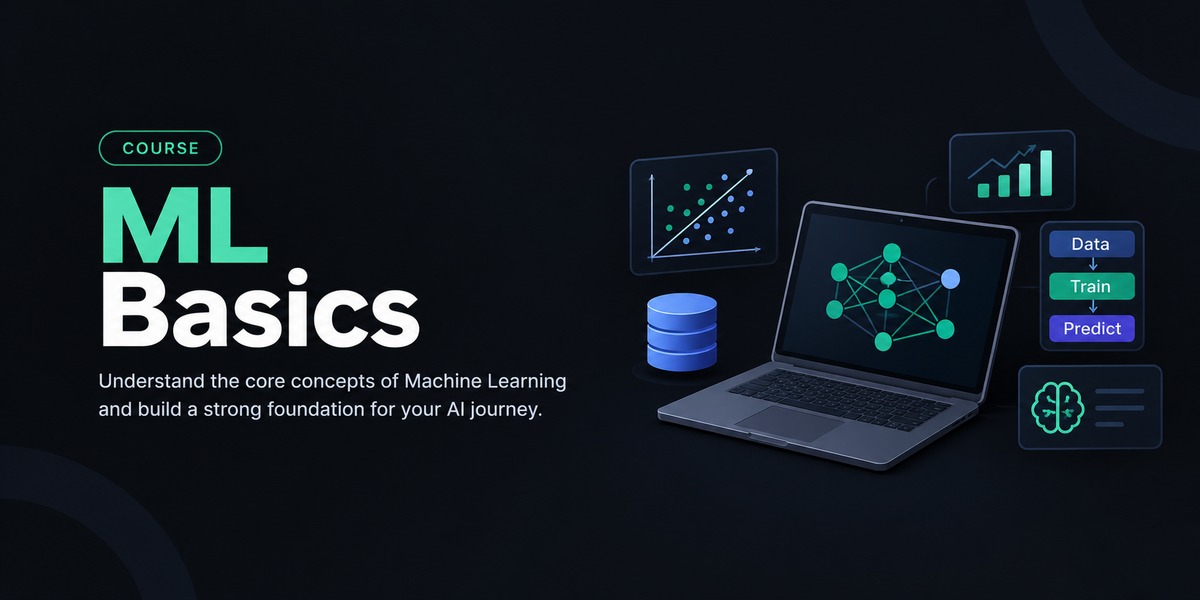
Supervised and unsupervised learning, feature engineering, evaluation and deployment — with the statistical discipline that separates a real model from an overfitted one.
CNNs, RNNs, transformers and generative models in PyTorch — with the training craft that turns an architecture diagram into a model that actually converges.
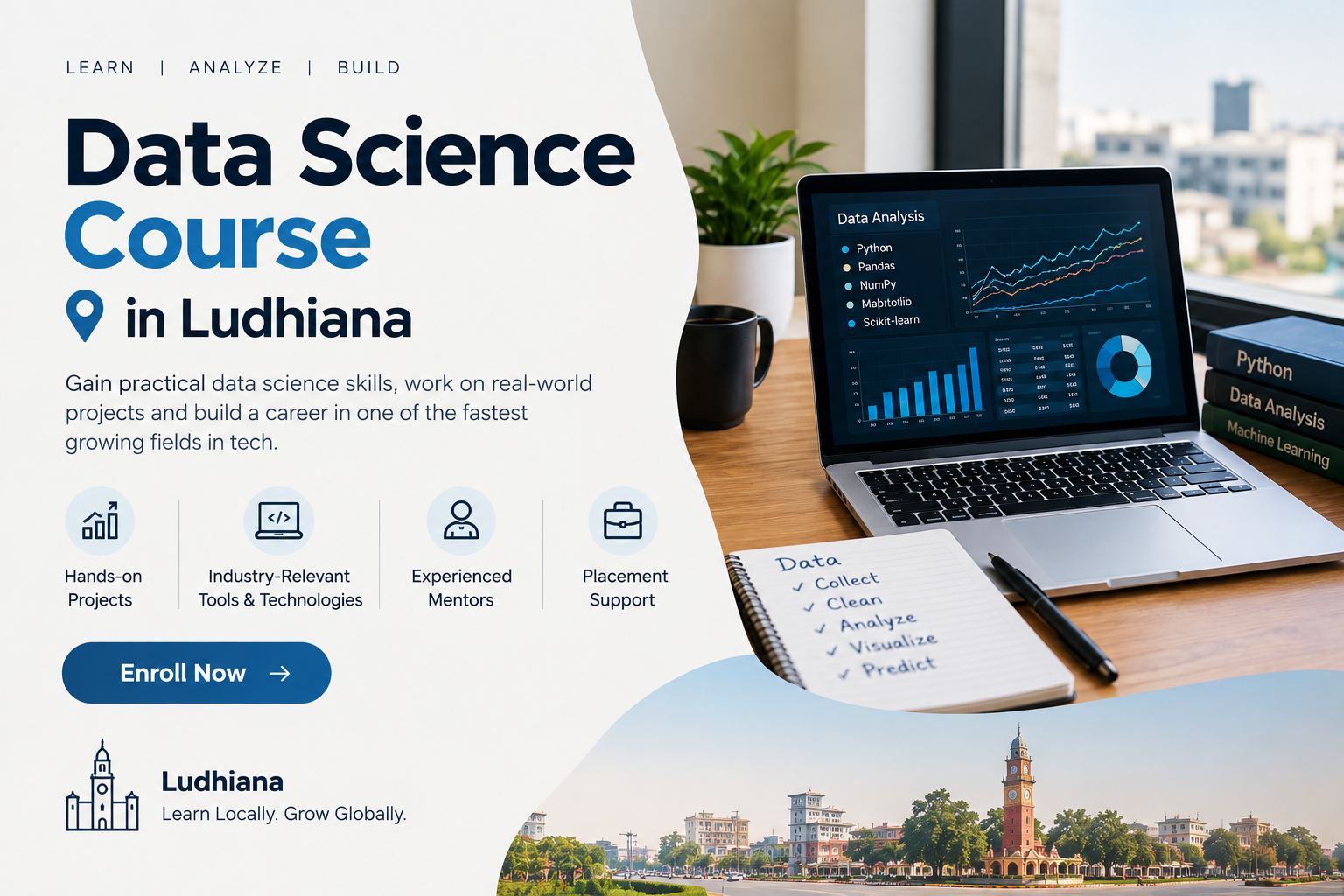
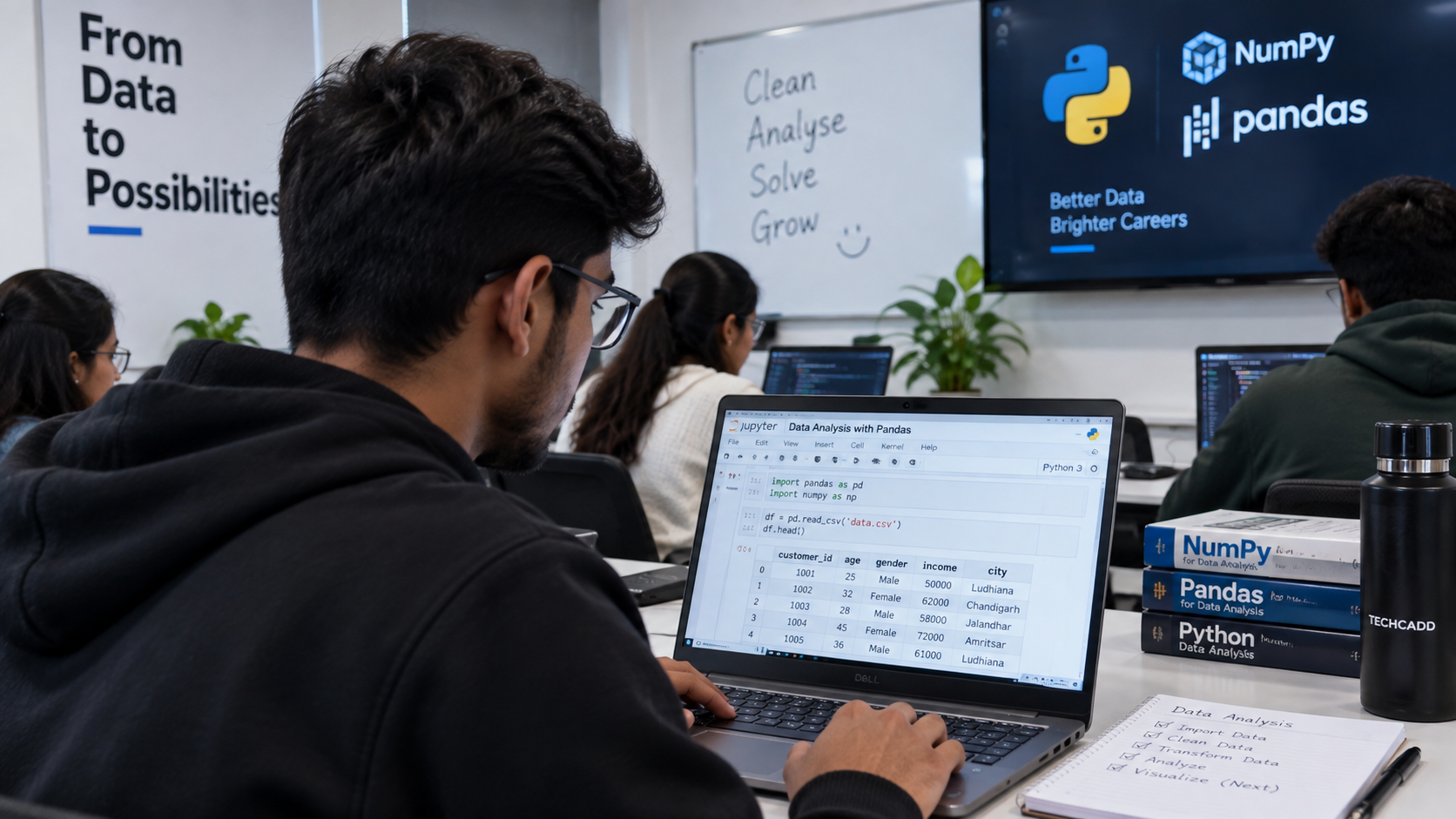
Python, SQL, statistics, machine learning and storytelling — the complete route from a raw export to a recommendation a business will act on.
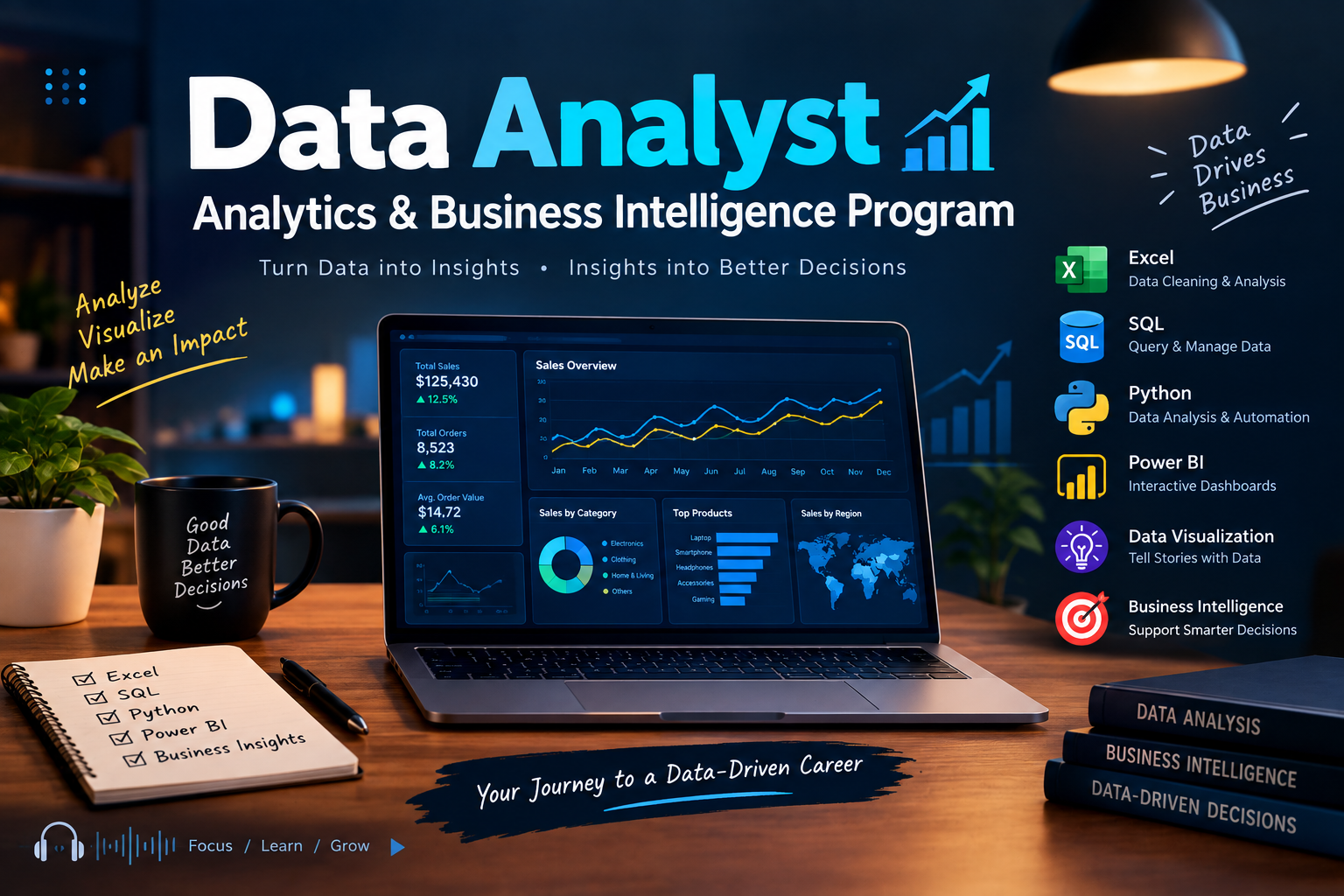
The analyst toolkit taught in the order employers use it — advanced Excel, SQL, dashboards, and enough Python to automate the repetitive half of the job.
Power Query, star schemas, DAX and publishing — the full Power BI workflow as a working BI developer uses it, not a click-through of the interface.
Tableau Desktop from first connection to published dashboard — calculations, LOD expressions, parameters and the visual judgement that makes a chart persuasive.
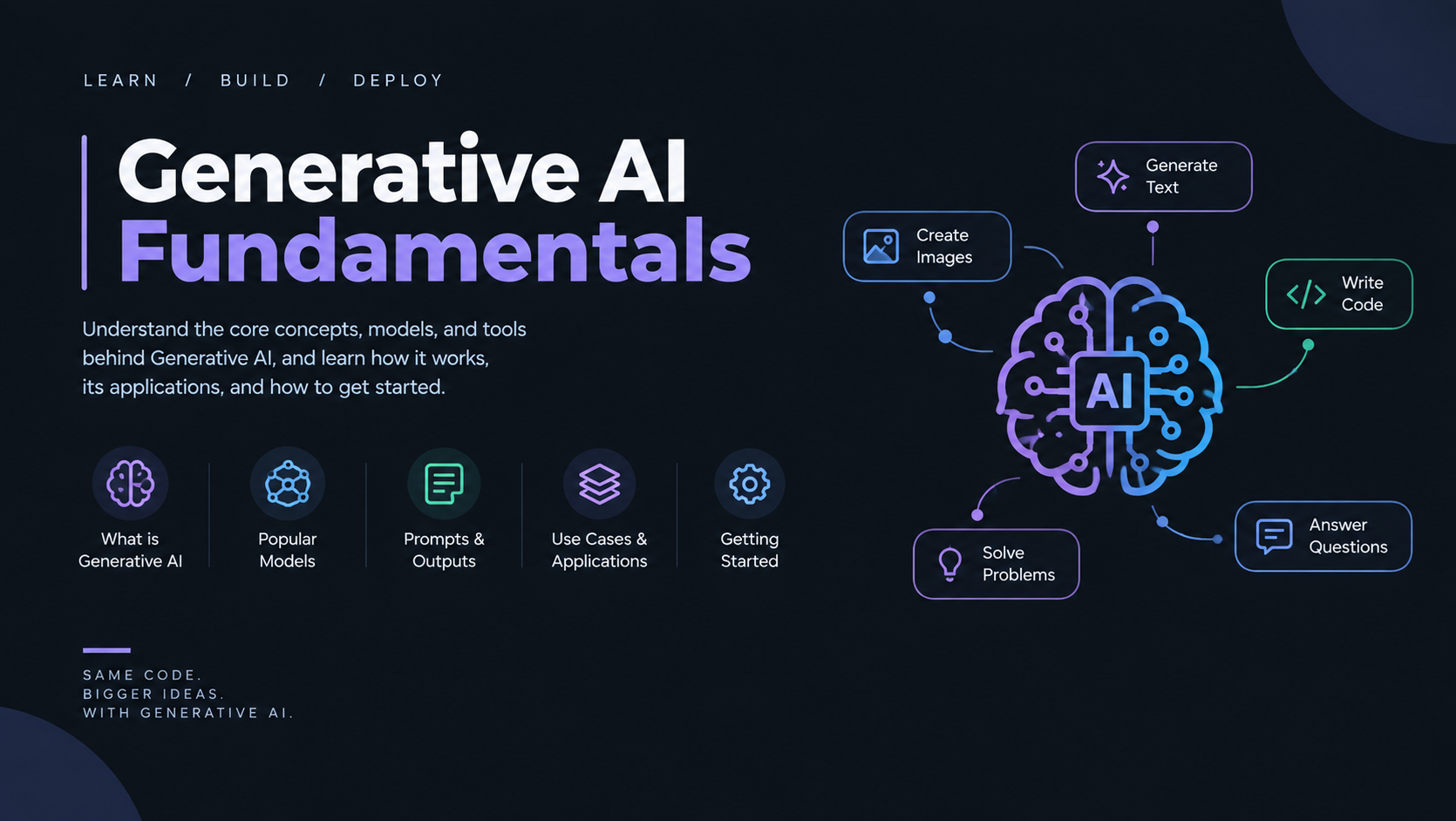
Prompting, embeddings, RAG, fine-tuning and agents — how to turn a language model into an application that behaves predictably enough to charge money for.
The engineering discipline behind AI output — system design, structured responses, evaluation and the testing habits that make prompts dependable at scale.
A practical tour of the AI tools that actually save time — writing, research, design, spreadsheets, meetings and automation — with the judgement to know when not to use them.
Tool use, planning loops, memory, multi-agent orchestration and the guardrails that make an autonomous system safe enough to run against real data.
Content production, audience research, ad creative, personalisation and analytics — the full marketing cycle rebuilt around AI tooling, with measurement to prove it worked.
Chunking, embeddings, vector search, reranking and evaluation — the architecture behind every AI assistant that answers from a company's own documents.
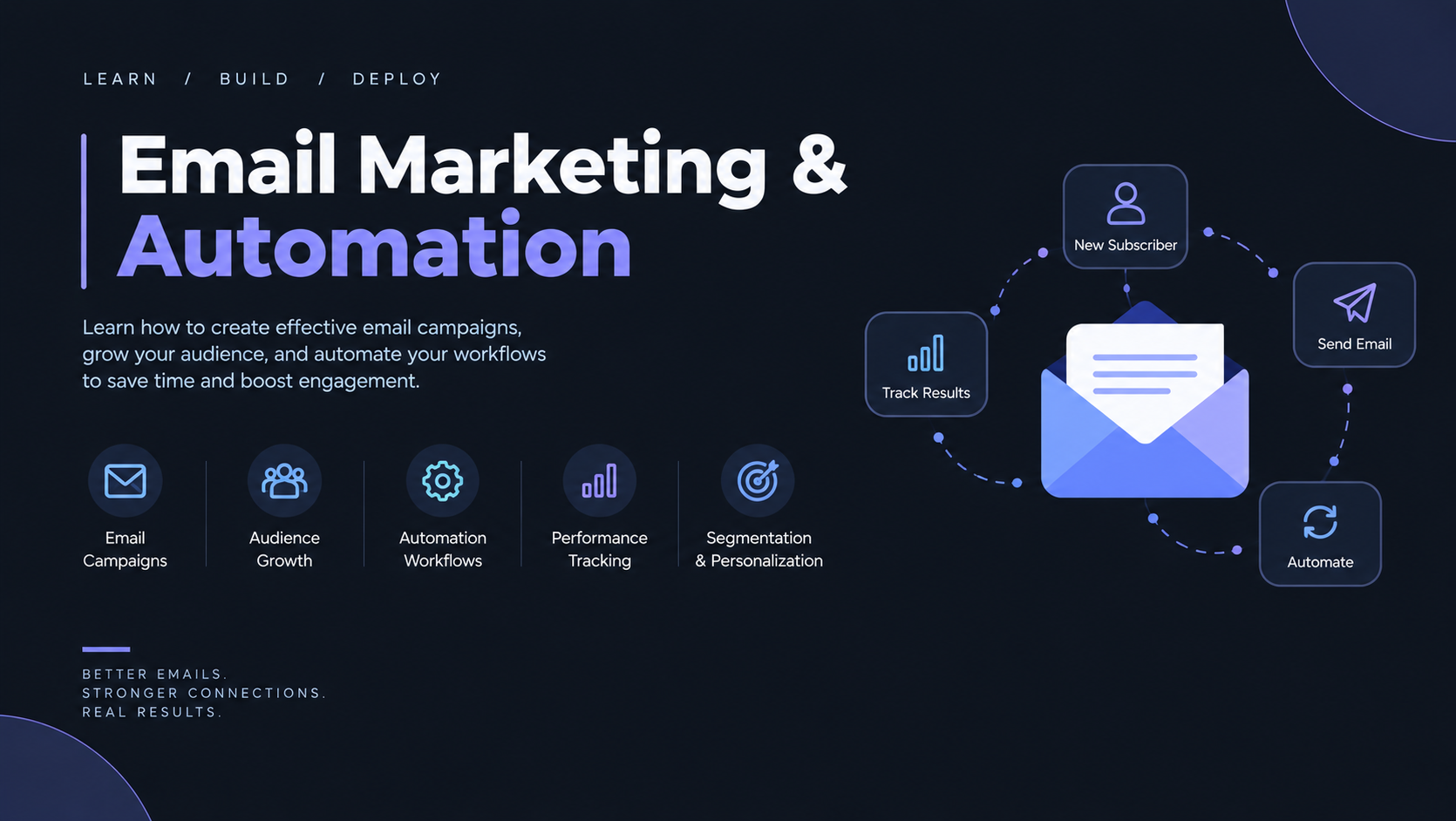
SEO, paid ads, social, email, content and analytics — taught on live budgets and real accounts, with attribution that stands up to a finance question.
Strategy, content production, community management and paid social across Instagram, LinkedIn, YouTube and Facebook — measured against followers that actually buy.
Search, Performance Max, display, shopping and YouTube — campaign structure, bidding, conversion tracking and the optimisation routine that lowers cost per acquisition week after week.
Technical SEO, content strategy, link building and local search — worked on a live site, measured in Search Console, with none of the tactics that stop working after the next core update.
Themes, page builders, WooCommerce, custom post types, speed and security — everything needed to deliver a client site you are not embarrassed to maintain.
Store setup, theme customisation with Liquid, apps, payments, shipping and conversion optimisation — building a store that converts, not just one that exists.
Networking, system hardening, cryptography, SIEM monitoring and incident response — the defensive skill set organisations hire for, practised in a lab you cannot break anything real in.
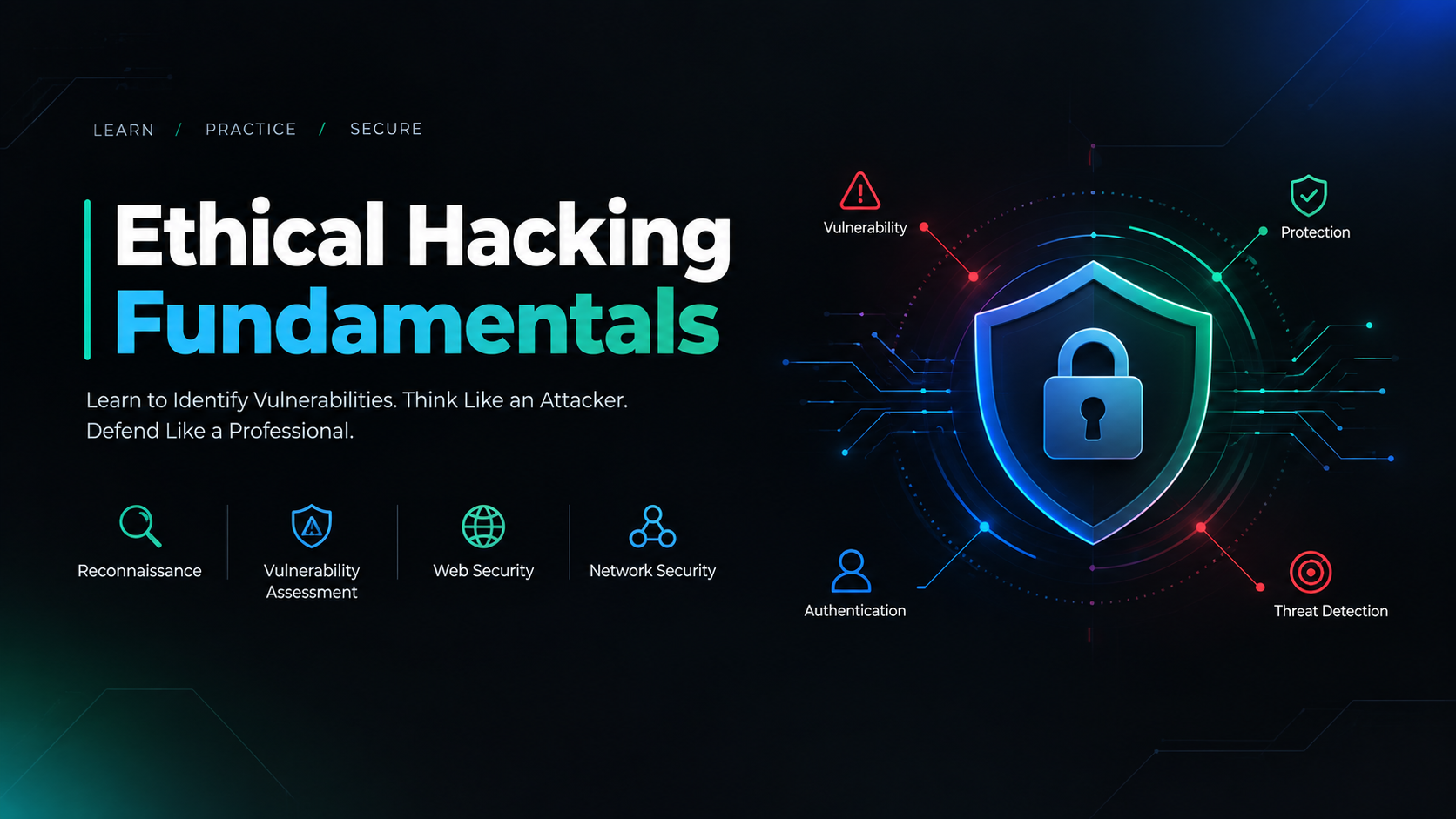
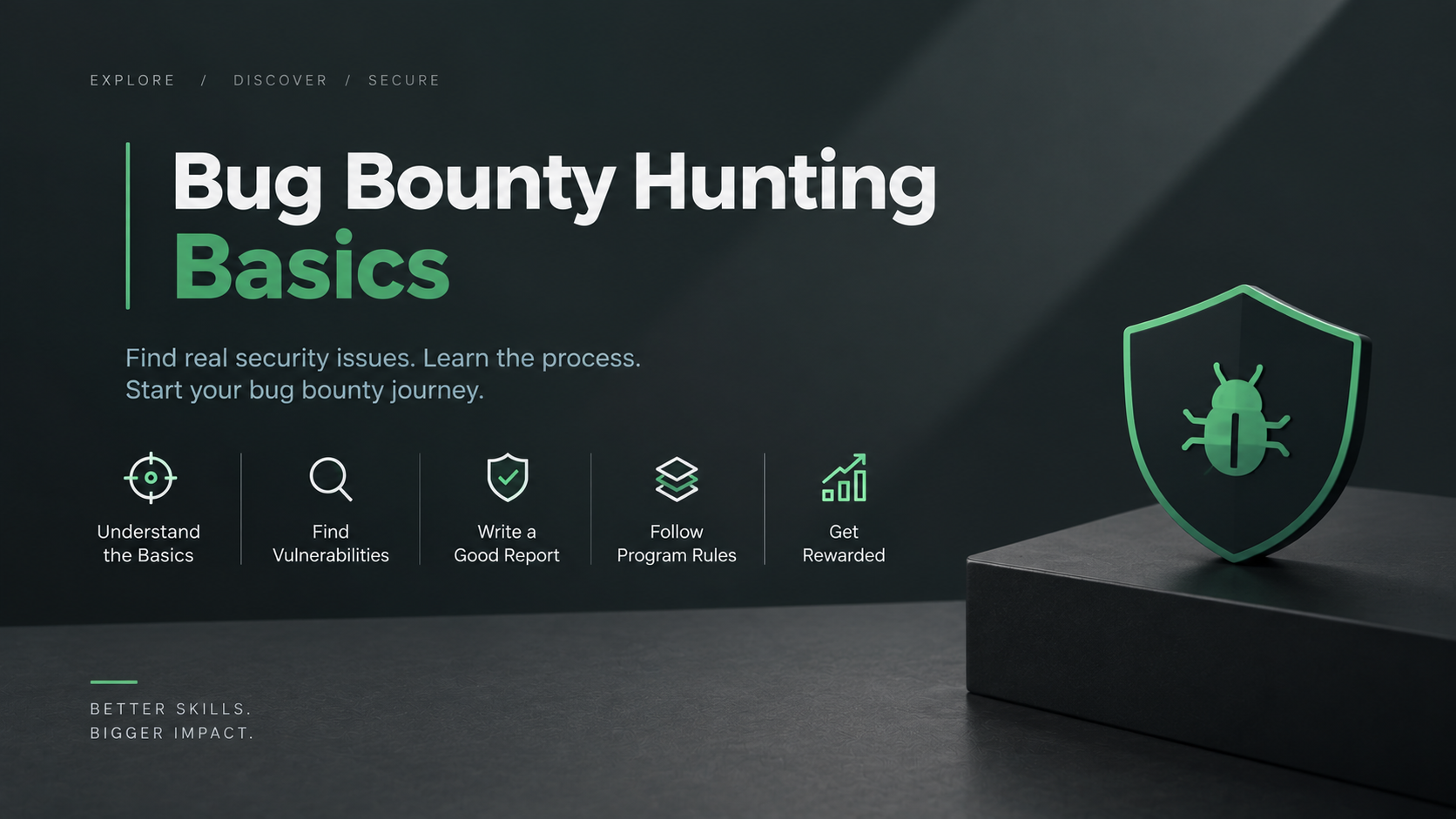
Penetration testing methodology, web and network assessment, and the reporting discipline that turns findings into fixes — practised only against lab targets you are authorised to test.
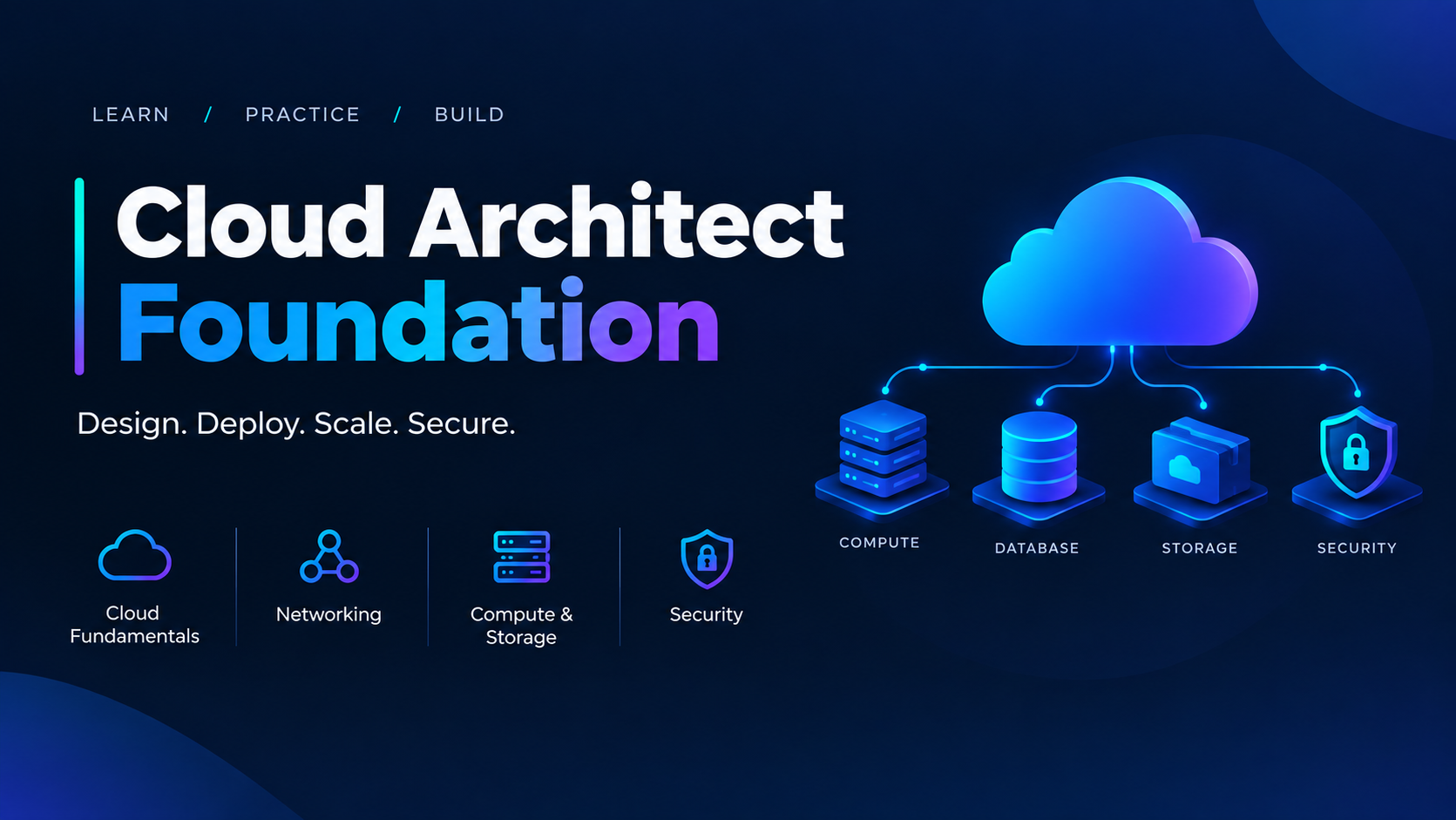
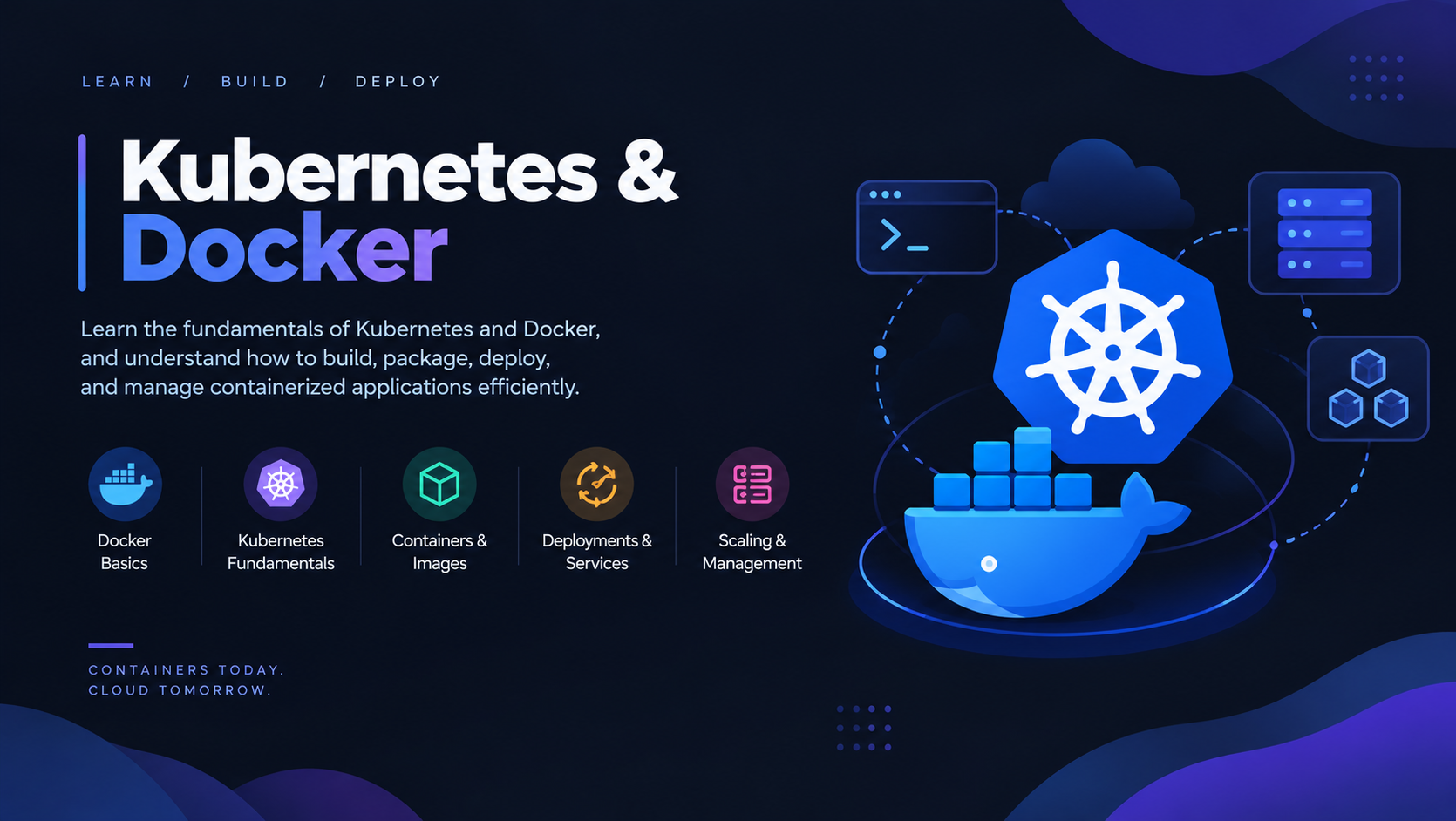
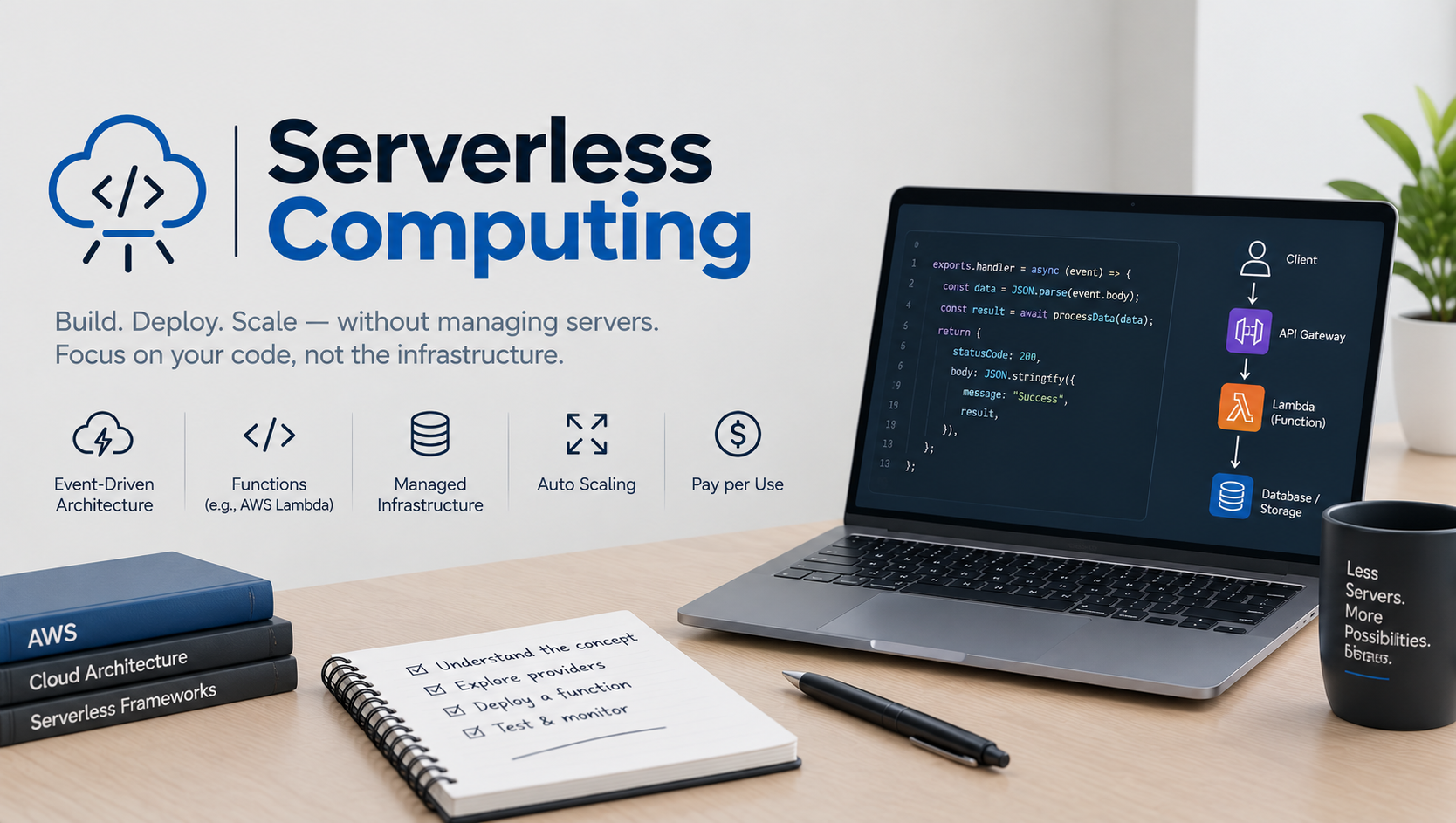
AWS core services, Linux, containers, Kubernetes, Terraform and CI/CD pipelines — the operational skill set behind every modern deployment, built on real infrastructure.
Command line, file systems, users, permissions, services, networking, shell scripting and server administration — the foundation under cloud, DevOps and security work alike.
2D drafting and 3D modelling in AutoCAD — layers, dimensioning, plotting and the drawing standards a civil or mechanical office will actually accept.
Parametric part modelling, assemblies, drawings, sheet metal and simulation — the mechanical design workflow used across manufacturing and product engineering.
Modelling, materials, lighting and rendering in 3ds Max with V-Ray — producing the interior and exterior visuals architecture and interior design studios sell with.
Revit architecture, structure and MEP coordination — a single coordinated model that produces plans, sections, schedules and quantities without redrawing anything.
The short industrial training most universities ask for, run as a working sprint — you pick a track, learn it in the first three weeks and spend the rest building something you can submit and defend.
A six-week training block built around one technology: three weeks of taught fundamentals, three weeks of supervised building, and a certificate that names what you actually shipped.
The semester training programme: a complete technology stack, three graded projects, interview preparation and placement support — structured so the last month is spent talking to companies, not still learning.
The complete industrial training programme: five months of stack training and live project work, one month inside a real delivery team, and placement support that runs until you are hired.
University-recognised industrial training in Ludhiana, delivered by people who build software for a living — pick your duration and your track, and finish with a letter that describes work rather than attendance.
Not shadowing, not a certificate for attendance — you join a delivery team, take tickets from a live board, open pull requests, and get them rejected until they are good enough to merge.
Photoshop, Illustrator and InDesign taught around real briefs — logos, social creatives, packaging and print-ready artwork, with the colour and file discipline a press or a client will actually accept.
Premiere Pro and After Effects for real deliverables — reels, ads, YouTube edits and event films, with the sound, colour and export settings each platform actually wants.
The animation principles first, then After Effects for 2D and Blender for 3D — modelling, rigging, lighting and render, finishing with a shot you can put on a reel.
Figma end to end — research, wireframes, design systems, prototypes and usability testing, finishing with a case study and a developer handoff a real team could build from.
Tally Prime from company creation to GST returns — vouchers, inventory, payroll and the reports an accountant is asked for, practised on realistic company data.
One course from the very beginning — Windows, files, typing, email and the internet — through Word and PowerPoint, and on to the Excel formulas, pivot tables and dashboards an office actually runs on.
48 of 48 courses
Not sure which one
Four honest starting points. If none of them describe you, call the campus and we will tell you which track fits — including when the answer is none of ours.
Start with a language and a first shipped project, then add the training format your university requires in the summer or winter cycle.
A four to six month track that ends in a portfolio you can defend, with interview practice attached rather than sold separately.
Evening and weekend batches on a single specialisation, aimed at the gap between what you do now and the role you want next.
A structured route in from a non-technical background, starting from genuine zero and paced so the first month does not lose you.
What every course includes
Whichever track you take, these are constant. They are the reason the catalogue can be this wide without the standard moving.
Practice hours are timetabled, supervised and separate from lecture hours.
Every module ends in something built, versioned and deployable — six or more per course.
Taught by people who have shipped with the stack, not read about it.
The question that arrives at nine in the evening still gets answered.
Resume reviews, mock interviews and referrals — assistance, honestly described, never a guarantee.
Completion certificates, plus separate certification for internships and live projects.
Ready to get started?
Talk to a counsellor today. One call is usually enough to know which track fits your degree, your schedule and the job you want.
Call now+91 98881 22667